
(Castel San Pietro Terme – BO, 1898; Bologna 1987)
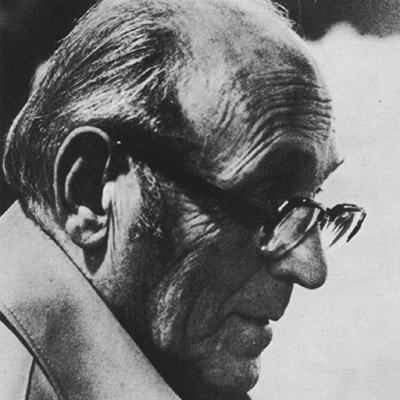
He studied at the Scuola d’Arte di Palazzo Ercolani in Bologna and continued his studies at the Accademia di Belle Arti, under the guidance of Pasquale Rizzoli, obtaining his diploma in 1917.
His art and his shows are characterized by two different ways of conceiving and creating sculptures.. As a result, in the mid 1930s, he moved from the design of monumental subjects to the production of small statues which were often ironic and caricatural and better suited his personality.
Tomba’s first works show an artist who is perfectly at ease in the cultural climate of his time. He divided his time between creating monuments to the fallen and taking part in important public competitions.
At the same time as his public and monumental works depicting official figures dear to the regime, in the mid 1930s Tomba began to produce small, humorous painted terra cotta figures. He began to gradually abandon the large public works and concentrate on these small figures which he exhibited in a number of national, international and union shows.
The figures often recalled childhood memories, people dear to him, members of his family, the simple folk of Castel San Pietro or the Bologna countryside along with famous people or characters inspired by Literature.
His small, ironic and irreverent figures reveal with heartless precision the arrogance of the lawyers and judges in wigs and the effects of their sentences. He also portrayed the cruel street corner and village gossip, the illusion of a great love affair and the naivety of a well-educated soldier on leave, sitting on a sofa and waiting his turn in a brothel.
In 1937 he became a teacher of ‘Figurative Arts and Decorative Sculpture’ at the Liceo Artistico in Bologna. He taught there until 1968.Tomba also produced terracotta statues of sacred subjects and nativity scenes which were widely admired by the public and very popular in the ecclesiastical circles of Bologna.
Giulia Stagi